Did You Know? Transmittal Forms 1096, W-3 and 1094-B Aren't Necessary When E-Filing!


Transmittal forms such as Form 1096 and Form W-3 are used to summarize return data and accompany paper-filed information returns sent to the IRS or SSA. However, when you e-file information returns (1098, 1099, etc.) or W-2s, these transmittal forms are not required to be submitted. When e-filing, the system automatically packages your data summary into the transmission file submitted to the SSA and IRS. ACA forms are the sole exception, you must always submit the transmittal forms Form 1094-C and Form 1094-B even when e-filing.
As a business owner or tax preparer, you know that e-filing your 1099s, W-2s and new 1095s with efile4Biz.com is fast and efficient. Simply enter (or import) your recipient and form data online and we handle the rest – printing and mailing copies to your recipients, filing forms directly with the IRS or SSA, and sending notifications for confirmation.
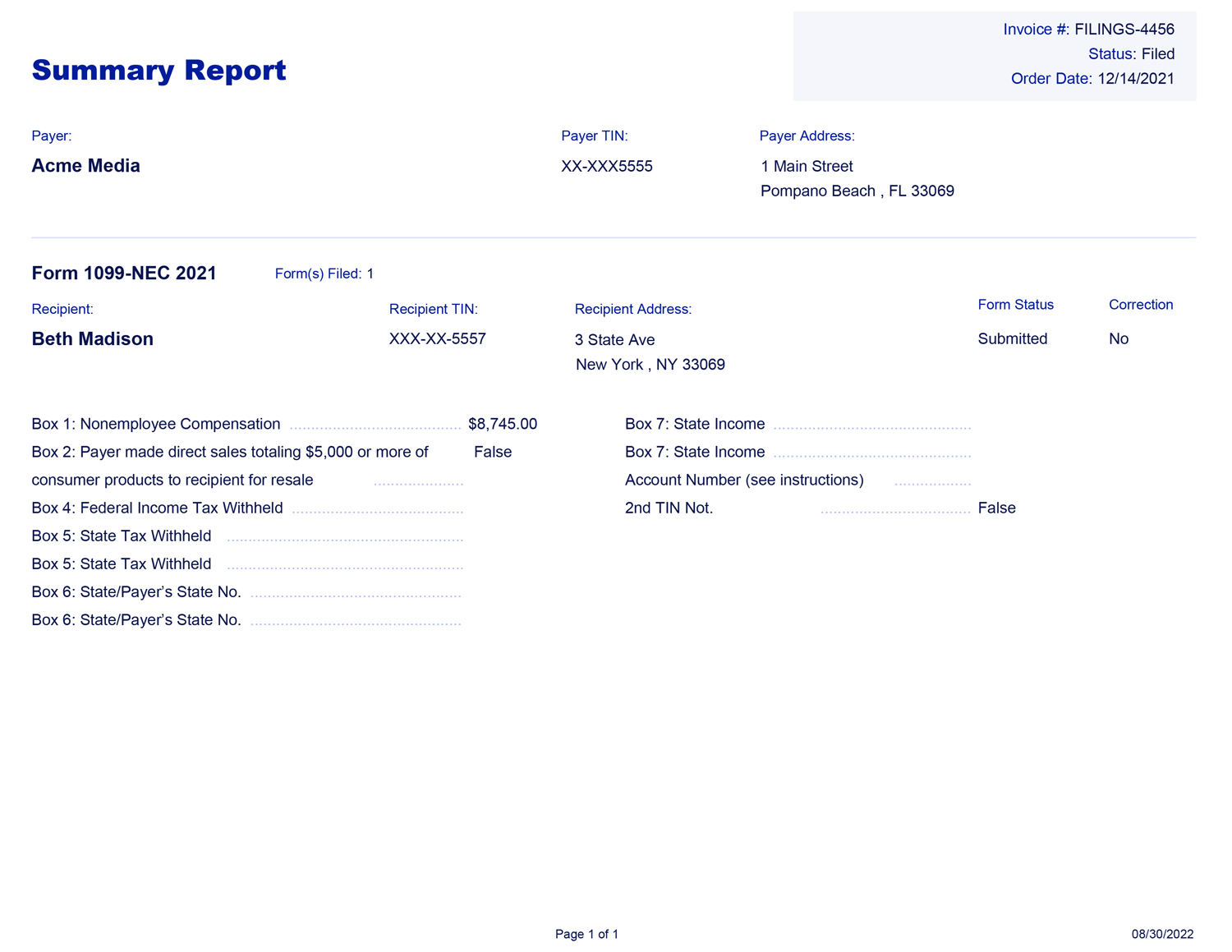
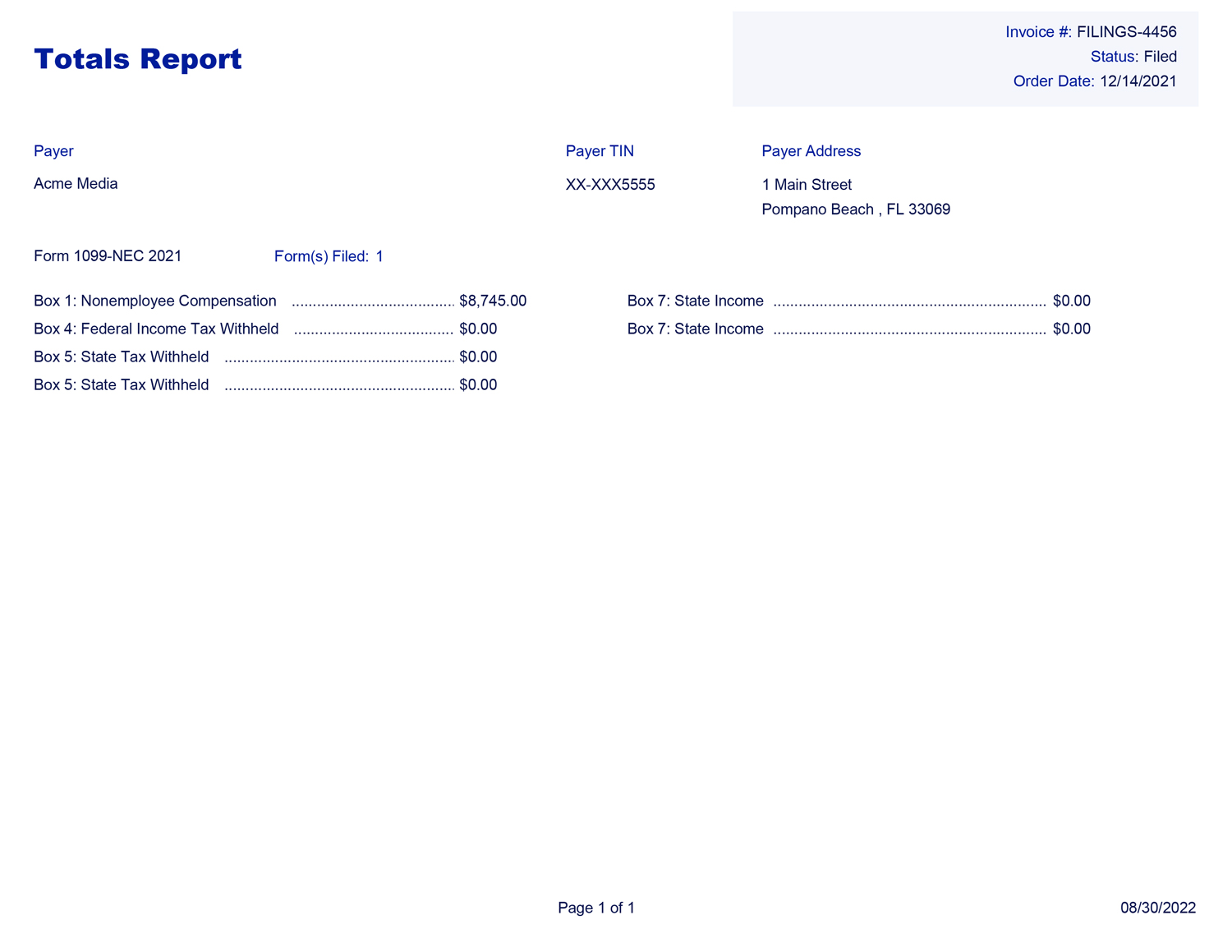
But that’s not the only way e-filing saves you time and effort. Unlike with paper filing, you don’t have to calculate and submit the 1096 form with your 1099s, the W-3 with your W-2s or the 1094-B with your 1095-B forms. That’s right! As part of our e-file process, we automatically compile the data required on these transmittal forms and file them with the IRS or SSA.
This information is available for review by logging into your account and selecting Reports from the left-hand navigational bar.
No, transmittal forms such as Form 1096 and W-3 are not required to be submitted when filing electronically. These forms are primarily used as a physical cover sheet for paper forms sent to the IRS or SSA. When e-filing, the system automatically summarizes your data and incorporates the summary into the electronic file submitted. ACA forms are the sole exception, electronically filed ACA forms will include the Form 1094-C and Form 1094-B transmitted in the approved electronic XML format.
These transmittal forms act as summary documents that accompany paper-submitted information returns. They provide totals and aggregate data that help the IRS or SSA process the filings accurately.
When forms are filed electronically, the system automatically compiles and transmits the required summary data. This removes the need for separate transmittal forms and reduces manual processing steps. The IRS and SSA do NOT accept transmittal forms when e-filing W2s and information returns. ACA forms are the sole exception, electronically filed ACA forms will include the Form 1094-C and Form 1094-B transmitted in the approved electronic XML format.
Common risks converting from paper filing to electronic filing include misunderstanding the electronic filing requirements and approved file formats, attempting to submit unnecessary transmittal forms, or failing to properly validate electronic submissions. Ensuring alignment with e-file standards is critical for compliance. The SSA/IRS do not accept standard email or generic file uploads, you must file using an approved file format. W2s, information returns (1098, 1099) and ACA forms are all filed through separate systems, each with its own registration process. All of these electronic filing systems require the filer to undergo a strict verification process that can include background checks, individual identity verification via ID.me or Login.gov, and collection of corporate officer signatures. The lead times for approval can be significant, in some cases up to 45 days.
Tax professionals can streamline workflows by using e-filing platforms that handle aggregation, validation, and submission automatically. This reduces administrative complexity and helps ensure accurate, timely filings. Professional e-filing platforms also eliminate the need to establish specific individual credentials with IRS and/or SSA.
Updated: 07/28/2026
Free to try.
You only pay when you're ready to file.